THIS ARTICLE COVERS:
Event Planning
Event Planner
Brisbane Corporate Catering
Corporate Catering
Drop-Off Catering Brisbane
Office Catering
That’s why we’ve pulled together this simple, realistic event planning timeline, working backwards from event day. It’s designed to help you avoid last‑minute stress, rush fees and those all‑too‑familiar “why is the loading dock locked?” moments.
Think of this as your no‑panic roadmap - whether you’re planning a networking cocktail event, an awards night, conference or anything in between.
Most event stress doesn’t happen on the day — it happens two weeks before, when everything suddenly becomes “urgent.”
Why timelines matter ( Especially if events aren’t your day job )
Great events rarely come together by chance. They run smoothly because of carefully considered, key decisions (we're talking catering style, timing and logistics) are made early enough to give suppliers room to do their job properly.
When details are rushed, flexibility shrinks. Menus get compromised, staffing becomes harder to secure, and small logistical issues turn into big, easily avoidable ones.
A clear event timeline keeps everyone aligned — catering, AV, venue and internal stakeholders — and gives you confidence that nothing important has been missed.
If you’re short on time, this pairs perfectly with our guide on How to Brief Your Caterer in 10 Minutes, which outlines exactly what information helps suppliers deliver smoother service from the outset.
Same timeline. Different emphasis.
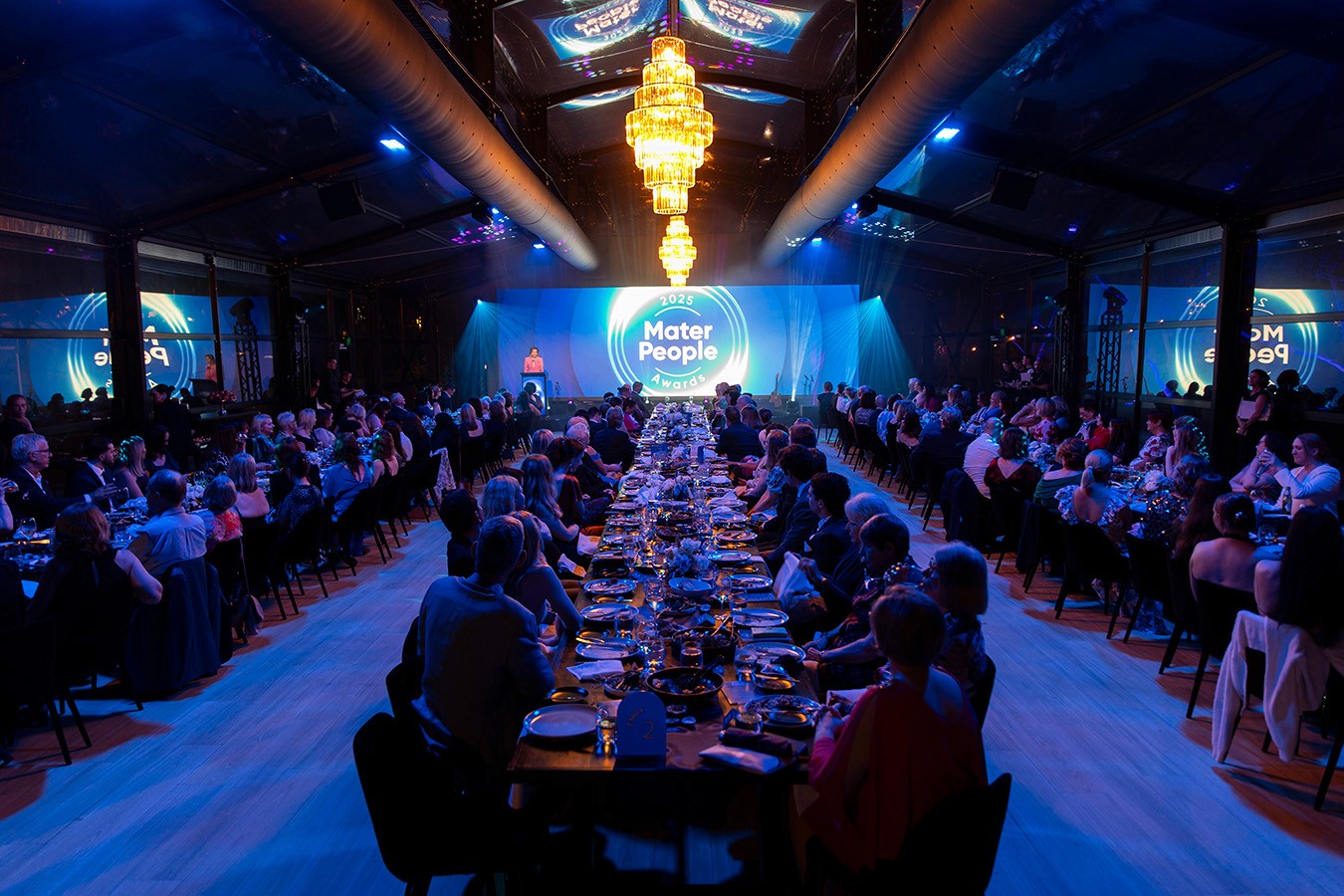
This timeline works across mixed event calendars. The structure stays the same — the focus simply shifts depending on the event type.
Cocktail / networking events = Flow, service pacing, dietary visibility
Awards nights / gala dinners = Run sheet precision, silence windows, seating plans
Conferences / workshops = Punctual breaks, energy management, AV coordination
The fundamentals don’t change. The weighting does.

The Event Planning Timeline ( Working Backwards )
Quote Stage ( Ideally 10–12+ Weeks Out )
Before requesting a catering quote, gather the basics. Even rough information helps suppliers give better advice and more accurate pricing - which means less back & forth and ultimately more time back in your calendar.
Have ready:
Event date and start/finish times
Venue address and access notes
Estimated guest count range
Catering style (plated, shared or cocktail)
Draft service windows (when food needs to be served)
Known dietary requirements (or a plan to find out from invitees)
Onsite contact and approval/invoicing details
If your event includes speakers, presentations or branded content, flag AV requirements early. This is when production teams can advise on microphones, screens, staging and rehearsal needs.
For insight into why early AV planning matters, our Supplier Spotlight on Select Audio Visual explains how forward planning creates calmer, more confident events.
8 Weeks Out: Foundations First
This is where your event’s structure gets locked in.
Confirm venue access details (bump‑in/out times, loading dock rules, lift bookings)
Set your broad event format (plated, shared dining or cocktail)
Confirm a realistic guest number range
Decide how you’ll collect dietary requirements (RSVP form, registration link, spreadsheet)
Begin early conversations with AV if your event includes content or staging
If you’re still deciding on format, these guides can help:
4 Weeks Out: Menus, Equipment and People
Now the planning becomes more detailed — but you still have flexibility.
Confirm menu direction and service style
Lock equipment needs (glassware, plates, linen, trestles, ovens or fridges if offsite)
Share a draft run sheet showing event flow and service cues
Start collating dietary requirements (names are always helpful - bonus points for sit-down events that have clearly labelled seating plans)
Tentatively hold staff based on service windows
Pro tip: This is where most events benefit from a clear run sheet. It doesn’t need to be complex — just times, locations and roughly what’s happening when.
For deeper guidance on dietary planning, especially across mixed events, read:
14 Days Out: The Final Planning Window
This is the most important milestone — and where most stress usually appears if things aren’t locked in.
Tighten your guest count estimate (your RSVPs should be due by now)
Flag VIPs, MC timing and any moments where service should pause (speeches, awards)
Share the updated run sheet with catering, AV and venue teams
Confirm access routes, parking and back‑of‑house setup (Preferred areas and scope of facilities can change throughout the years, make sure you're getting the most up-to-date information to avoid issues on the day)
For content‑heavy events, this is also when AV should receive presentation specifications and rehearsal timing.
If you’re still feeling the pressure here, our article How to Avoid Last‑Minute Stress with Your Event Catering explains why locking details 10–14 days out makes such a difference.


7 Days Out: Final Numbers Due
At one week out, key details are locked.
Provide final headcount
Submit named dietary requirements (or quantities for cocktail events)
Share seating plans or floor plans if seated
Finalise staffing and hire equipment
Once this happens, catering orders are placed, teams are rostered and logistics are fully confirmed.
3 Days Out: Lock the Logistics
This is about alignment.
Distribute the final run sheet to all suppliers (You should want to avoid changes after this point)
Share delivery instructions, parking details and onsite contact numbers
Confirm waste removal and venue rules
AV receives final content and completes a tech check
1 Day Out: Final Checks
A few small internal confirmations within your own team, prevent big problems.
Reconfirm access times with reception or security
Place signage if required
Confirm weather plans for outdoor spaces
Print or save copies of your run sheet, dietary list and floor plan (Your suppliers will have already done this, it's best you do too)
Event Day: Let the Plan Do the Work
If the planning has been done well, event day should feel calm.
Introduce yourself to your suppliers (You might feel like you know everyone by this point, but this can often be the first time you're meeting in person - making it clear that you or your designated contact is the point of call eliminates the chance of suppliers questioning guests, stakeholders or breaking that 'perfectly planned illusion'.)
Use the run sheet as your single source of truth (Easiest way to ensure everyone remains on the same page)
Do a quick onsite check of access, setup and sightlines
Brief MCs or speakers on timing cues
Enjoy the event — and take the credit
What You Avoid by Locking Early
When details are confirmed early, you avoid:
Menu compromises
Staffing gaps
Access issues with venues and loading docks
Last‑minute dietary stress
Rush fees and unnecessary surcharges
Most importantly, you avoid being pulled into firefighting mode in the final week.

A calmer event starts with a clearer plan
When events feel stressful, it’s rarely because of the food, the venue or the AV — it’s because too many decisions land too late. A simple, realistic timeline gives you back control, creates better conversations with suppliers and turns “urgent” into “already handled.”
If you’re planning a cocktail event, awards night, conference or workshop — or juggling all three — this framework is designed to work with you, not overwhelm you.
Ready to get a head start on your next event?
Fill out our enquiry form or call us at (07) 3844 7810 today and put the value of this timeline to the test for yourself!